We exist because children, youth, and local communities deserve the chance to lead climate action.
The room didn't exist. So we built it.
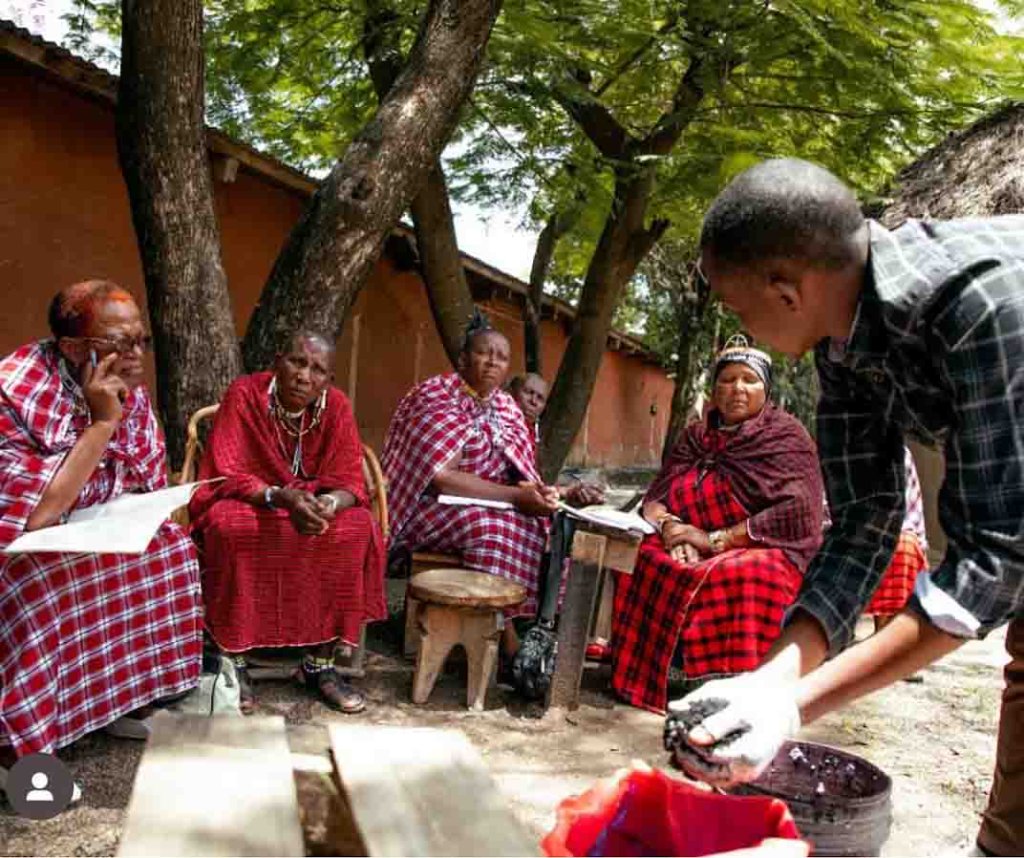
Growing up in a Maasai community in Tanzania, Laurel Kivuyo watched her community live through climate change and watched them be left out of every conversation about it. Children with no access to climate education. Youth and women with no space to lead. Local communities hold generations of knowledge about their land, yet excluded from the decisions shaping its future.
"The communities bearing the heaviest burden were the least informed, the least resourced, and the least represented."
In 2021, she founded Climate Hub Tanzania on a simple belief: that local communities don't just deserve to survive climate change, they deserve to lead the response to it.
Today, CHT works across three programs: Climate Education and Policy Advocacy, the Eco-Innovation Hub, and the Mwangaza Community Livelihood Program. Mwangaza means light and that's exactly what it delivers: clean energy and ecosystem restoration, by and with the communities who know their land best.
Our Core Focus Areas

Climate Education, Leadership and Policy Advocacy
- Wangari Maathai Fellowship
- School Eco-Hubs
- Movement Building and Policy Advocacy


Mwangaza Community Livelihoods Programme
- Clean Energy Solutions (Biogas and Solar community initiatives)
- Rehabilitation and restoration
The Kijani Impact Model
THE KIJANI
IMPACT MODEL
Consult
We start by listening. Every community has a climate story.
Train
We build knowledge, skills, and leadership from the ground up.
Resource
We put funding, tools, and support directly in the hands of those ready to act.
Deploy
We back community-led climate action, from classrooms to ecosystems.
Scale
We grow what works, connecting leaders and solutions across Tanzania.
Our Impact
Reaching the communities bearing the heaviest burden.
From Arusha to Dar es Salaam, our work reaches youth, women, and local communities who are most exposed to climate change and least represented in solutions.
When communities lead, climate action becomes unstoppable.
People impacted across all programmes in Tanzania
Climate fellows trained, 70% of them girls, in climate science, leadership, and eco-preneurship
Community members reached through our trained climate fellows
Students enrolled in School Eco-Hubs across Tanzania
Children benefiting from 20 school latrines built by CHT
"every child deserves a healthy environment to learn in"
Families rehoused after the Manyara landslides
Engaged in our digital academy
Partners and funders backing our work

Recent Projects

Wangari Maathai Fellowship for Climate and Leadership
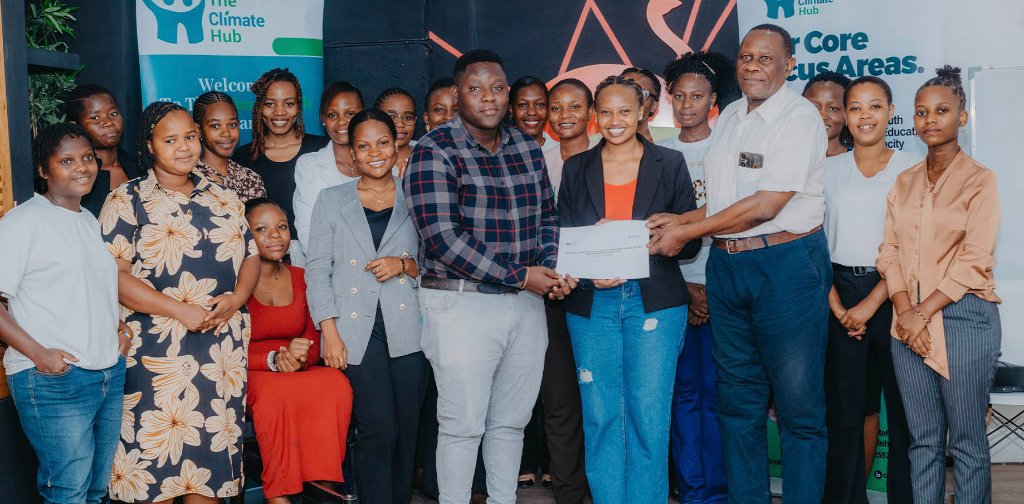
The Wangari Maathai Fellowship for Climate and Leadership is a flagship initiative by Climate Hub Tanzania, implemented from June to November 2025 with support from Climate KIC and the Embassy of Ireland in Tanzania. The fellowship was designed to empower a new generation of youth climate leaders, with a strong focus on empowering young women, by equipping them with the knowledge, leadership skills, and practical resources needed to drive climate action within their communities. It responds to the growing need for inclusive climate leadership in Tanzania, where the impacts of climate change; such as droughts, floods, deforestation, and declining biodiversity, continue to threaten livelihoods, food security, and environmental sustainability, especially for young people and women who are most affected yet often underrepresented in decision-making spaces. Over an eight-month period, the fellowship engaged 10 young leaders selected from a highly competitive pool of 171 applicants across multiple regions of Tanzania, including both mainland and Zanzibar. Through a blended learning approach, fellows participated in 16 intensive training sessions delivered through both virtual and in-person formats, covering areas such as climate science, adaptation and mitigation strategies, policy advocacy, renewable energy, gender and climate, community engagement, financial management, and ethical leadership. The program combined technical training with mentorship and peer learning, enabling fellows to design and implement their own community-based climate initiatives. With seed funding support, each fellow translated their learning into action, leading projects such as environmental restoration, climate education, clean cooking solutions, climate-smart agriculture, and circular economy innovations tailored to local needs. The fellowship has created a strong and lasting impact, reaching over 5,000 youth and community members through fellow-led initiatives across the country. Beyond these results, it has built a growing network of committed young climate leaders who continue to collaborate, innovate, and influence climate action within their communities. The program demonstrates that when youth, especially young women are given the right opportunities, mentorship, and resources, they can lead transformative change and contribute to building climate resilience. By investing in youth leadership and locally driven solutions, the Wangari Maathai Fellowship strengthens Climate Hub Tanzania’s mission to advance inclusive, sustainable, and community-centered climate action for a resilient future. The impact and success of the inaugural cohort laid a strong foundation for the continuation of the Wangari Maathai Fellowship for Climate and Leadership. Building on this momentum, Climate Hub Tanzania officially launched Cohort II in 2026, further expanding its commitment to nurturing youth climate leadership across the country. The second cohort brings together 15 exceptional young fellows from different regions of Tanzania, including Arusha, Mbeya, Iringa, Dar es Salaam, Mtwara, Unguja–Zanzibar, Dodoma, Geita, and Tanga. Through continued mentorship, climate education, leadership development, and community-based action, the fellowship remains committed to empowering young people to lead innovative and inclusive climate solutions within their communities and beyond.

School Eco-Hubs Initiative
Climate Hub Tanzania is empowering children in primary and secondary schools in the Northern and Coastal Zones of Tanzania through the establishment of 9 student-led Eco-Hubs designed to build climate education, environmental responsibility, and sustainable thinking from an early age. The initiative creates safe and engaging spaces where children learn about climate change, ecopreneurship, tree planting, waste management, and the importance of protecting the environment and developing confidence, leadership, and teamwork skills that prepare them to become future champions of sustainability and green innovation. In collaboration with our partners, the initiative was introduced to respond to the growing need for environmental education among children and the increasing impacts of climate change affecting communities across Tanzania. Many young people had limited access to practical climate learning and opportunities to actively participate in environmental action. The Climate Eco-Hubs Initiative has helped bridge this gap by connecting children with real-life environmental experiences, interactive climate discussions, and community-centered conservation activities that encourage long-term environmental stewardship and a stronger understanding of their role in protecting the planet.

Post- Disaster Restoration and Recovery in Hanang District, Manyara Region (2025)
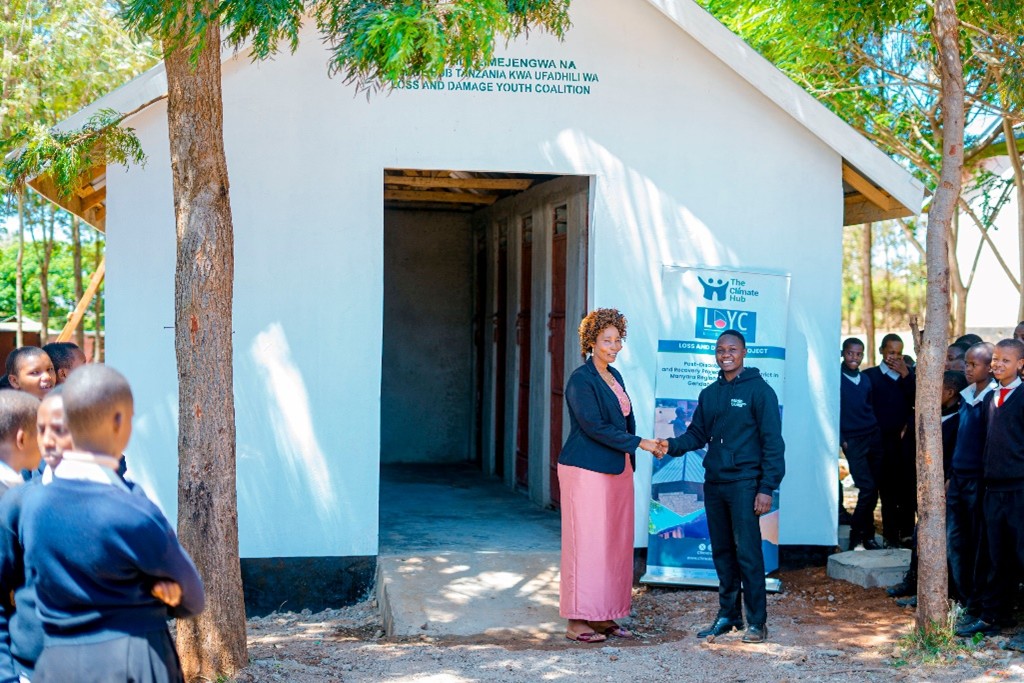
The floods and landslides that struck Hanang District in December 2023 caused widespread destruction across the Manyara Region, damaging homes, schools, and sanitation facilities, and leaving many families in vulnerable conditions. In response to the urgent need for structured and long-term recovery, Climate Hub Tanzania (CHT), in partnership with the Loss and Damage Youth Coalition (LDYC), implemented a Post-Disaster Restoration and Recovery Project in the most affected wards of Ganana, Gendabi, Jorodom, and Katesh. The initiative aimed to support communities in transitioning from emergency response to sustainable recovery by restoring safe shelter and improving essential infrastructure. The project focused on inclusive planning, engaging key stakeholders such as Hanang District Council, local leaders, and community members to ensure a participatory approach in identifying needs and selecting the most vulnerable beneficiaries. As part of the intervention, three (3) permanent houses were constructed for households that had lost their homes, while twenty (20) school latrines were built at Ganana Secondary School to improve sanitation, protect student health, and restore a safe learning environment. These efforts addressed both immediate needs and long-term community wellbeing. Overall, the project has significantly contributed to strengthening community resilience to climate-related disasters while promoting dignified and sustainable recovery. The collaboration between implementing partners, local authorities, and the community highlights the importance of coordinated, people-centered approaches in post-disaster contexts. The results achieved provide a strong foundation for future interventions and underscore the need for continued investment in climate resilience, sustainable infrastructure, and long-term recovery in disaster-prone areas.
Voices of Change

FAUSTER MUTTANI
Wangari Maathai Fellow, Cohort I
Arusha, Tanzania
"The Wangari Maathai Fellowship for climate and leadership has been a transformative experience for me. In a short time, it strengthened my understanding of climate action and leadership and helped me practically integrate climate work into Hands of Children for Climate. With 500 Euro Fund I was able to impact 73 children (35 girls, 38 boys), surpassing the initial target of 50 beneficiaries on environmental stewards through climate education,community clean up and waste recycling at Lenjani Village, Lemanyata Ward in Arusha region. "
Our Partners


Stories from the Ground